You may have seen people on X or LinkedIn say they “built a full SaaS in a weekend with AI” or that they “vibe coded” their whole app. The term “vibe coding” even made it into dictionaries in 2025 as a new way of writing software by talking to AI instead of typing code line by line.
For small business owners and founders this sounds almost magical:
- you describe your idea in plain English
- AI writes the code and deploys it
- you get something that looks and feels like a real product
But like most magic tricks, there is a lot happening behind the scenes. Here is what happens there:
- what vibe coding actually means
- real benefits of vibe coding for websites and web apps
- hidden downsides that show up later
- how to use vibe coding for speed without destroying maintainability
At the end we will also talk about how TailoredFix can help you with vibe coded websites or tasks, and when it is worth investing in a more solid technical foundation.
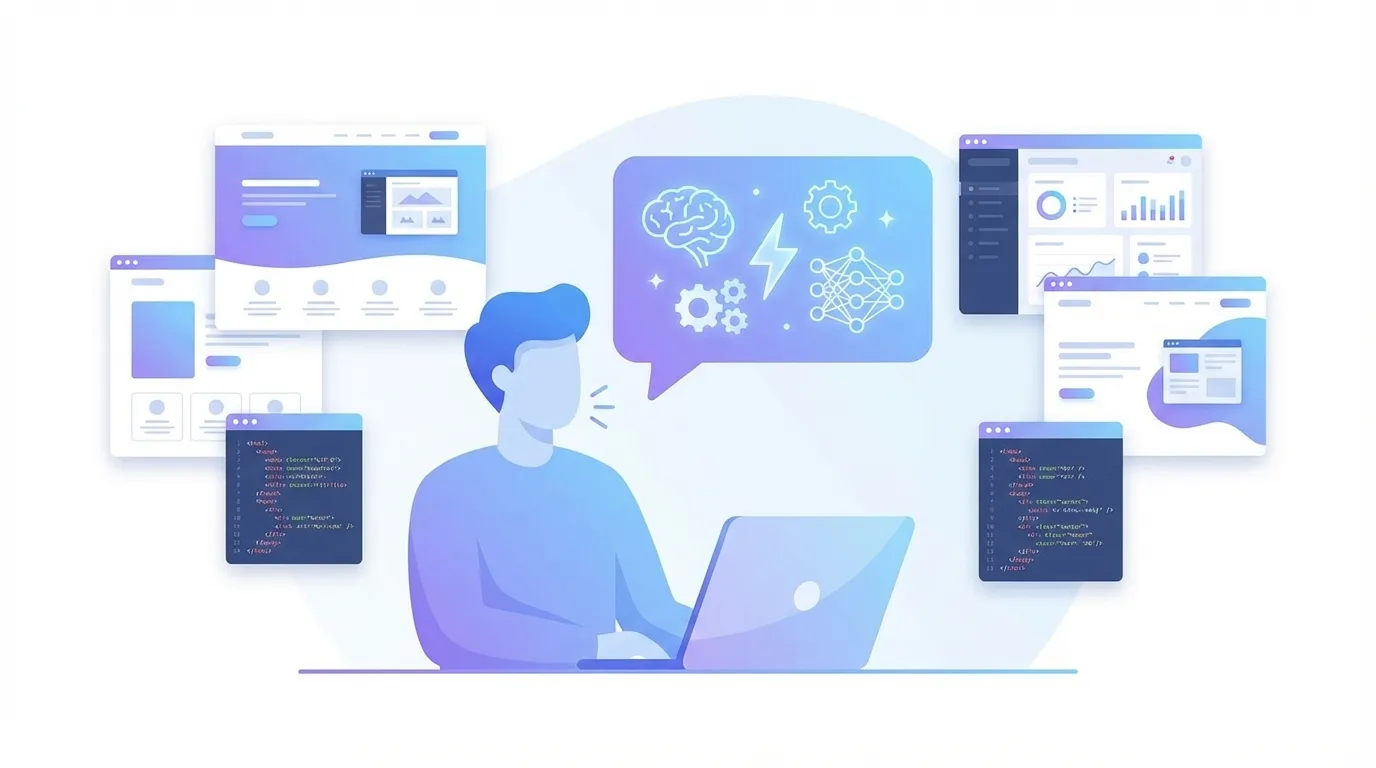
What is vibe coding in simple terms
Vibe coding is an AI dependent way of building software. Instead of writing code yourself, you mostly:
- talk to an AI in natural language
- describe what you want the app or website to do
- ask for changes based on how it behaves
- rarely, if ever, read the actual code
Under the hood, large language models and AI coding tools generate and modify the code for you.
In practice, vibe coding feels like:
- “make the hero section taller and center the button more”
- “add a simple login system”
- “connect this form to my email”
You keep asking AI to change things until the app or page “feels right”, without really caring how the code looks. That is the “vibe”.
This is different from traditional “AI assisted coding”, where developers still read, review and understand the code. In vibe coding, you mostly treat the code as a black box and focus only on what you see in the browser.
Real benefits of vibe coding for websites and web apps
Used in the right way, vibe coding can be very useful, especially for early stage ideas and small internal tools.
1. Much lower entry barrier
You do not need to know PHP, JavaScript, React or WordPress internals to get started. You just need to:
- describe what you want
- test what AI gives you
- refine your instructions
This makes it easier for non technical founders or marketers to move from idea to something clickable.
2. Fast prototypes and experiments
If you want to:
- test a landing page idea
- validate a new service flow
- build an internal calculator or report page
vibe coding can produce a working prototype much faster than a traditional spec, handoff and development cycle.
You can then decide:
- does this flow feel good
- do users understand what to do
- is it worth investing in a more solid build
3. Good for “software for one”
Many vibe coded projects are essentially “software for one”: small tools that help a single person or a small team:
- internal dashboards
- data viewers and filters
- content helpers and workflows
If they break, the impact is low. If they work, you have saved time without hiring a full team.
4. Helps developers explore unfamiliar stacks
Even for experienced developers, vibe coding can help when:
- exploring a new framework or API
- generating boring boilerplate
- spiking a proof of concept before refactoring
The key is treating AI as an accelerator, not as a replacement for understanding.
The other side: downsides of vibe coding you will feel later
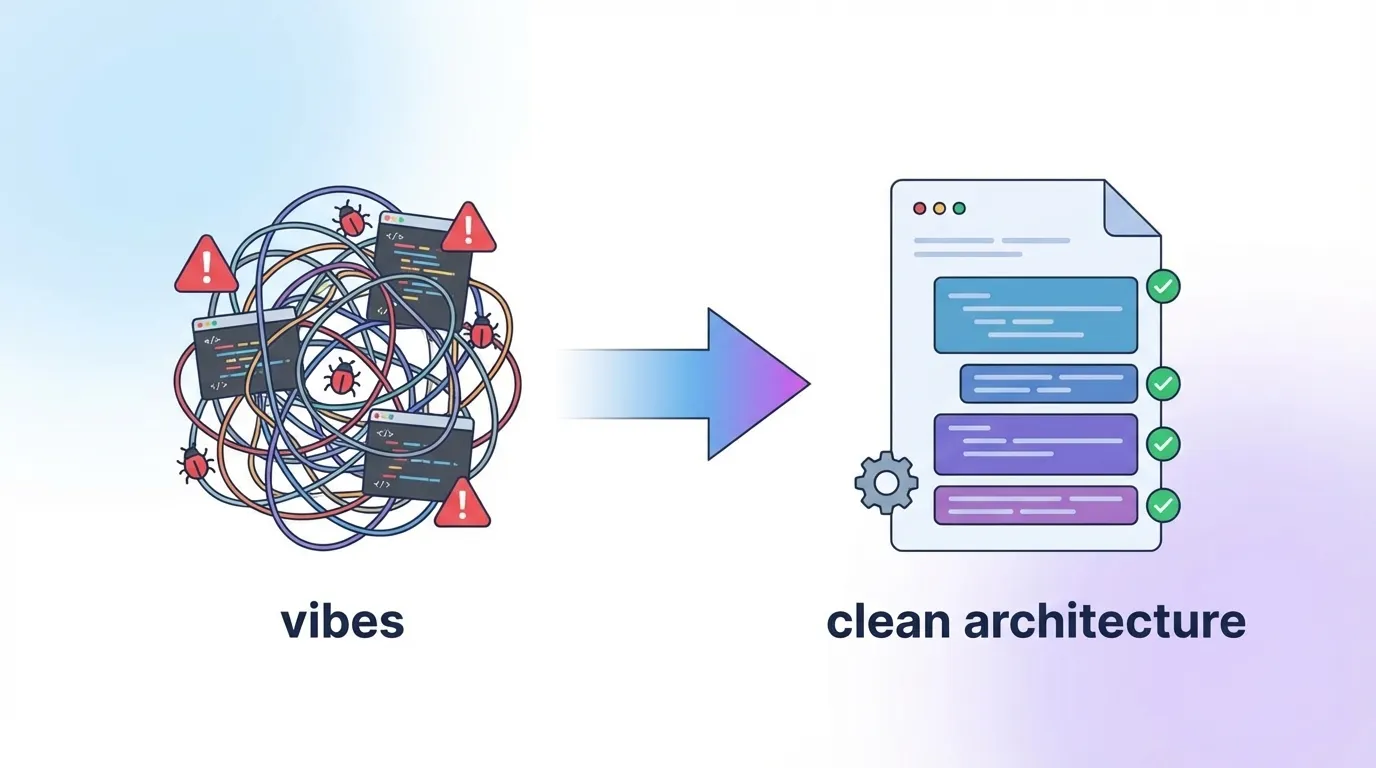
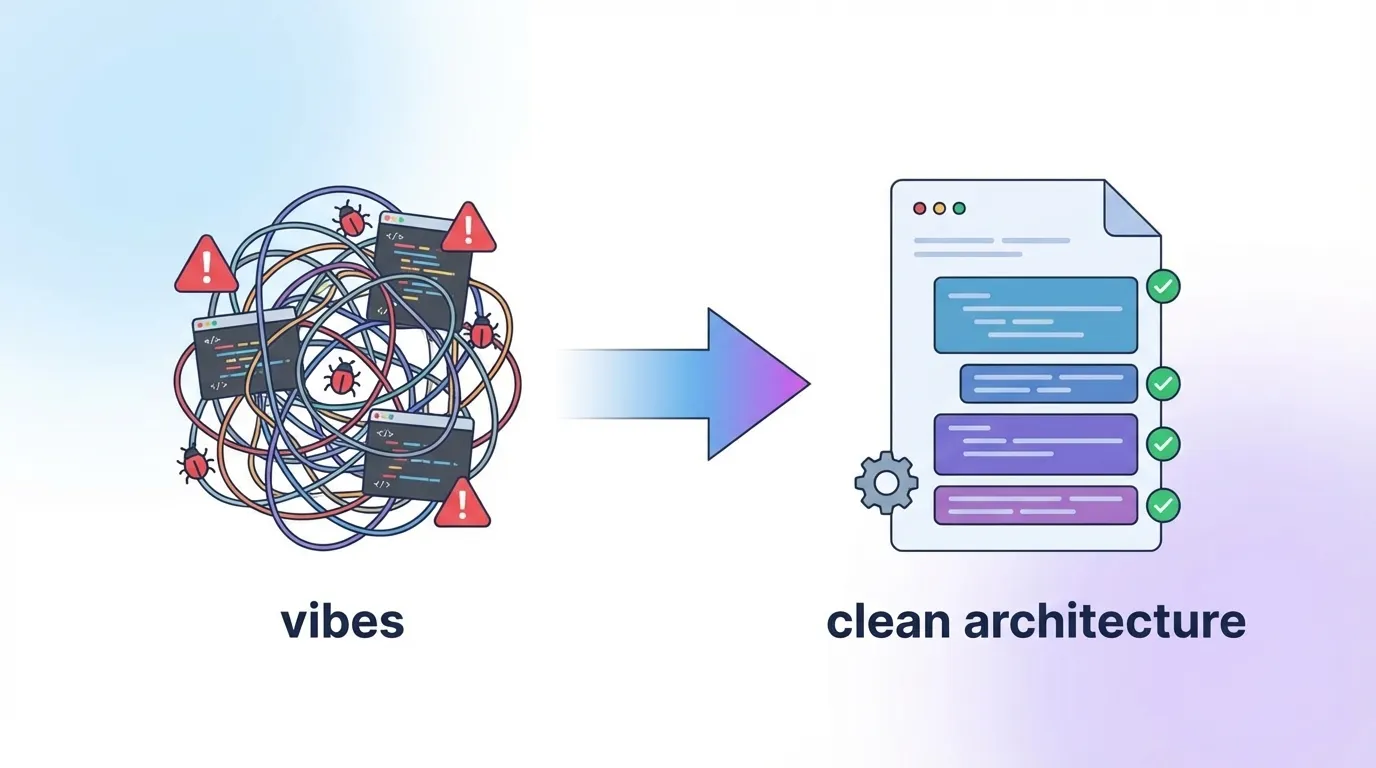
Vibe coding is attractive because it hides complexity. The problem is that complexity does not disappear. It only moves out of your sight.
Here are the downsides we see most often when people bring vibe coded projects to TailoredFix for help.
1. Maintenance and debugging become painful
Because nobody really “owns” the code:
- structure is inconsistent
- patterns change from one file to another
- logic is duplicated in multiple places
When something breaks:
- it is hard to know where to look
- every change feels like it could break something else
- hiring a developer becomes more expensive because they need to untangle everything first
Experts have already warned that vibe coding your way all the way into production is risky, because long term work is mostly about evolving and maintaining existing systems, not just getting them to run once.
2. Higher risk of security and data issues
AI generated code can:
- forget to validate input
- expose admin routes
- store data in unsafe ways
- reuse patterns that are outdated or insecure
Security reviews and proper hardening are still needed, especially for:
- sites that process payments
- portals with user accounts
- anything handling personal or business critical data
3. Performance and scaling problems
Vibe coded websites may:
- pull in heavy libraries just to solve a small task
- run unnecessary database queries
- load unoptimized images and scripts
For small traffic this is fine. But if the project grows, you may quickly hit:
- slow page loads
- high hosting bills
- poor Core Web Vitals and worse SEO
4. Harder collaboration
If future developers cannot trust or understand the code:
- onboarding is slower
- estimates become less reliable
- you get more “we need to rewrite this from scratch” conversations
At that point, the initial speed advantage of vibe coding disappears.
When vibe coding is a good idea
With all that in mind, vibe coding still has its place. It works best when you:
- understand that the first version is a prototype
- accept that parts may need to be rebuilt later
- keep the blast radius small if something goes wrong
Good use cases:
- prototype of a new landing page or funnel
- internal admin tools for a small team
- one off data dashboards and content tools
- experiments for offers, calculators, small mini apps
Here you can happily move fast, use AI to generate “good enough” code and only invest in serious engineering if the idea proves itself.
When you should slow down and engineer properly
On the other hand, you should be very careful with pure vibe coding for:
- websites that are core to your business brand
- anything with payments, user accounts or bookings
- systems that must be reliable for months and years
- platforms that will have multiple developers touching the code
In those cases you still want:
- clear architecture and structure
- consistent patterns and documentation
- attention to security, performance and maintainability
That does not mean you cannot use AI. It just means you need a human in the loop who owns and curates the codebase, not just the vibes.
How we approach vibe coding at TailoredFix
At TailoredFix we are not “anti vibe coding”. We use AI heavily in our work. The difference is how we frame it and where we stop.
For example, we can:
- use vibe coding style tools to spin up a quick prototype or internal tool
- collaborate with you in natural language to explore flows and UX
- then refactor, review and harden the parts that need to be maintainable
If you already have a vibe coded site or project, we can:
- audit what AI actually built
- identify risks, hidden complexity and obvious bugs
- extract and stabilize the pieces that matter long term
- replace fragile fragments with clean, documented code
And yes, if you really want “a quick site built on vibes” for a campaign or test, we can do that too, as long as we are honest that it is a cheaper, more temporary option, not your forever foundation.
Vibe coding vs future proof development: finding the right mix
You do not have to choose between:
- slow, over engineered projects that never ship
- fast vibe coding that leaves you with a mess
The healthy middle looks like this:
- use vibe coding for ideas, prototypes and low risk tools
- let AI help with boilerplate and routine tasks
- bring in an experienced developer to design the architecture, clean up the code and protect the parts of your business that really matter
That way you get speed now and a codebase you can still trust in 1 to 3 years.
If you want to explore that kind of hybrid approach, or you have a vibe coded site that needs to be made safe and maintainable, we can help.

15+ years building WordPress sites, plugins and web apps, including 7+ years as a full-stack developer on the Xagio team (the SEO & AEO platform behind a WordPress plugin with 10,000+ active installs). Now AI-accelerated: fixes in hours, sites in days. More about me →